Complete Guide to Farm Jobs in Malta (2025–2026)
Farm jobs in Malta remain essential and accessible employment options for both Maltese residents and foreign workers. Despite its small size, Malta has a year-round agricultural sector that produces vegetables, fruits, olives, grapes, dairy products, poultry, herbs, and ornamental plants. This agricultural activity supports local food supply, export initiatives, tourism farms, and organic farming projects.
Due to an aging rural population, seasonal work peaks during planting and harvest, and a limited local workforce willing to take physically demanding labor roles, many farms in Malta rely on foreign workers. Farm jobs can be entry-level or specialized, offering both short-term seasonal roles and longer-term employment opportunities. These jobs often do not require formal education, making them a viable choice for people seeking work with minimal barriers — while providing on-the-job training and the chance to gain stable income.
Why Farm Jobs Are in Demand in Malta
Malta’s agricultural sector has several features that sustain strong demand for farm labor:
- Seasonal Nature of Work: Planting, pruning, and harvesting seasons create concentrated demand for workers at specific times of year.
- Labor Shortages: Many younger Maltese workers choose service or office work, leaving a gap in labor for physically intensive agricultural roles.
- EU Support for Agriculture: Malta receives EU agricultural funding and initiatives that maintain farm activity and support employment.
- Growth in Organic and Specialty Farming: There is rising investment in organic produce, culinary herbs, niche crops, and specialty products for export and tourism.
Because of these factors, farm jobs in Malta are consistently available — particularly during peak seasons (spring and summer), but also year-round for roles such as greenhouse work, animal care, and machinery operation.
Types of Farm Jobs in Malta
Farm work in Malta covers a variety of roles, and tasks vary based on the farm’s focus, size, and whether work is seasonal or permanent.
Field Workers and Harvest Labor
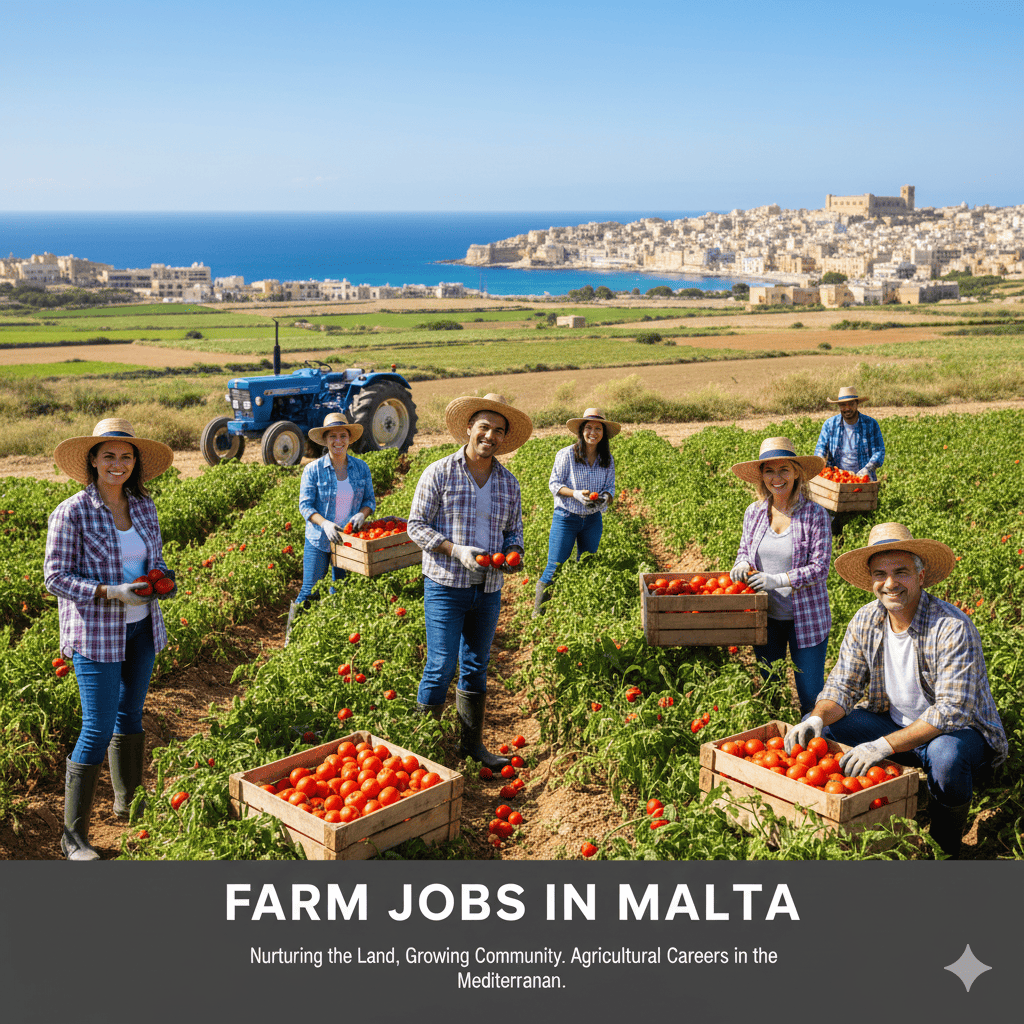
Field workers perform hands-on tasks in open fields and orchards. Typical responsibilities include:
- Preparing soil and beds
- Planting seeds or seedlings
- Irrigating and managing water systems
- Weeding, pruning, and crop maintenance
- Harvesting crops such as tomatoes, potatoes, citrus fruits, strawberries, grapes, and olives
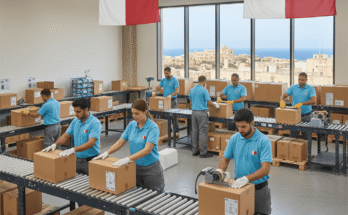
- Sorting and packing produce for markets or processing
Field work is physically demanding and often seasonal, with peak demand during planting and harvest periods. Workers should be prepared for long hours outdoors and varying weather conditions.
Greenhouse and Controlled Environment Workers
Greenhouse workers manage crops grown in controlled environments — such as herbs, lettuces, flowers, and specialty vegetables. These farms require:
- Climate monitoring (temperature, humidity, light)
- Watering and fertigation (nutrient delivery systems)
- Pest and disease control
- Harvesting and post-harvest handling
- Packaging and quality checks
Work inside greenhouses is less weather-dependent but requires familiarity with irrigation systems and careful handling of plants.
Livestock and Animal Care Jobs
Livestock workers focus on animal husbandry and farm animal care. Duties include:
- Feeding and watering animals (cows, goats, sheep, poultry)
- Cleaning and maintaining stalls or pens
- Assisting with milking or egg collection
- Observing animal health and reporting issues
- Assisting with breeding and herd management
Some farms specialize in dairy production, requiring workers who can perform milking and processing tasks under supervision. Others keep poultry for meat or eggs, demanding careful hygiene routines.
Farm Machinery and Equipment Operators
Larger farms or those focused on grain and field crops may employ workers to operate tractors, plows, harvesters, sprayers, and irrigation equipment. Responsibilities include:
- Operating agricultural machinery
- Performing basic maintenance and safety checks
- Monitoring mechanical performance during fieldwork
- Assisting mechanics with repairs
These roles generally require more experience or training but offer higher pay and longer-term opportunities compared to basic farm labor.
Nursery Workers and Horticulture Assistants
Nursery workers and horticulture assistants focus on cultivating ornamental plants, gardens, shrubs, and trees — often for sale or landscaping projects. Duties include:
- Potting and seed propagation
- Garden maintenance
- Pest control
- Customer assistance (in retail nursery settings)
These jobs appeal to people who enjoy plant care and often serve as a gateway to horticulture careers.
Salary Expectations for Farm Jobs in Malta
Salaries for farm jobs depend on the role, experience, and whether the position is seasonal or permanent.
General Field Workers
Entry-level or seasonal field workers typically earn between €18,000 and €22,000 per year. Hourly pay for seasonal roles ranges from €9 to €12.
Greenhouse Workers
Greenhouse positions may pay slightly more, with annual earnings of €20,000 to €26,000 depending on crop type and responsibility level.
Livestock and Animal Care Jobs
Livestock care workers often earn €22,000 to €28,000 annually, particularly if the role involves dairy or specialized animal routines.
Machinery Operators and Technicians
Farm machinery operators can earn €25,000 to €35,000 or more, depending on expertise, equipment handled, and years of experience.
Nursery and Horticulture Roles
Nursery workers and horticulture assistants typically earn €20,000 to €28,000 per year, often depending on whether additional retail or customer service duties are involved.
Note: Some farms offer shared accommodation, meal allowances, or transportation support for seasonal workers, which can effectively raise take-home income.
Basic Requirements for Farm Jobs in Malta
Farm jobs typically have fewer educational barriers than formal sector positions, but employers expect certain capabilities.
Physical Fitness
Farm work is physically demanding. Workers should be able to:
- Lift and carry moderate weights
- Stand or bend for long periods
- Work outdoors in changing weather
Physical endurance and willingness to perform repetitive tasks are essential.
Experience and Skills
Many farm jobs — especially entry-level roles — do not require prior farm experience. However, any relevant skills or practice with planting, harvesting, tool use, or animal care increase employability. Machinery roles require experience with tractors, tools, or irrigation systems.
Language Skills
Basic English is generally needed to follow instructions, understand safety procedures, and communicate with supervisors. Knowledge of Maltese is helpful but not mandatory.
Work Permits and Immigration
EU/EEA citizens can work in Malta without a permit. Non-EU/EEA citizens must obtain a work permit before starting work. Work permits are usually tied to a specific employer and job offer. Seasonal worker schemes may also be available for short-term farm roles.
Employers often assist with the work permit process once a job offer is confirmed, but candidates may need to provide:
- Valid passport or ID
- Medical clearance
- Police clearance (in some cases)
Always confirm permit requirements before accepting a job.
How to Find Farm Jobs in Malta
Farm jobs can be found through multiple channels. Effective job searching combines online and offline strategies.
Online Job Portals
- Jobsplus (Malta’s public employment service)
- Indeed Malta
- Local classifieds websites
Search terms to use include “farm worker,” “agricultural labor,” “greenhouse jobs,” “livestock assistant,” and “field worker.”
Recruitment Agencies
Many recruitment agencies specialize in manual labor or seasonal placements. Submit your CV and indicate your flexibility for shifts, seasonality, and job roles.
Networking and Direct Applications
Visiting local farms, agricultural cooperatives, and nursery facilities in person can lead to immediate work offers. Rural communities and farmers’ markets are places where word-of-mouth opportunities arise.
Seasonal Programs and Job Fairs
Some seasonal employment initiatives connect workers with farms during peak periods. Job fairs hosted by Jobsplus and community centers may list farm employers looking for staff.
Application and Hiring Process
Most farm employers require:
- A CV outlining any related experience
- Physical availability for work during peak seasons
- Proof of eligibility to work in Malta
Interviews may be informal and focus on your physical stamina, availability, and willingness to learn. Practical assessments can occur, especially for tasks involving machinery or animal care.
Working Conditions and Lifestyle
Farm work often involves early mornings, long hours during planting/harvest periods, and outdoor conditions. Work is physically demanding but structured. Workers gain practical agricultural skills, and many report satisfaction from hands-on labor and contributing to food production.
Accommodation may be located near rural farms. Some employers offer shared housing or assist in finding affordable lodging.
Career Growth and Long-Term Opportunities
Starting as a farm hand can lead to:
- Specialized roles (e.g., greenhouse technician, animal care specialist)
- Machinery operator or tractor driver
- Crop management and field supervision
- Farm maintenance management
Experienced workers with language skills, specialized training, or farm management knowledge can transition to supervisory roles or farm administration. Long-term employment and continuous legal residence may support residency goals for foreign workers.
Important Tips for Job Seekers
- Always verify job offers and confirm work permit requirements.
- Avoid agencies charging fees upfront — legitimate employers pay workers.
- Be flexible with seasonality and shifts to increase hiring chances.
- Develop basic farm and equipment skills before applying if possible.
- Maintain good work attendance and communicate professionally.
Farm jobs in Malta offer a realistic pathway to employment, skill development, and even long-term opportunities for those willing to work hard, adapt, and learn. For people who enjoy practical, hands-on roles and want stable work in Europe’s agricultural sector, Malta remains a solid and accessible destination.