Complete Guide to Factory Jobs in Malta (2025–2026)
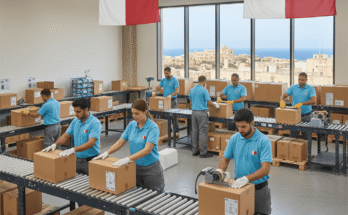
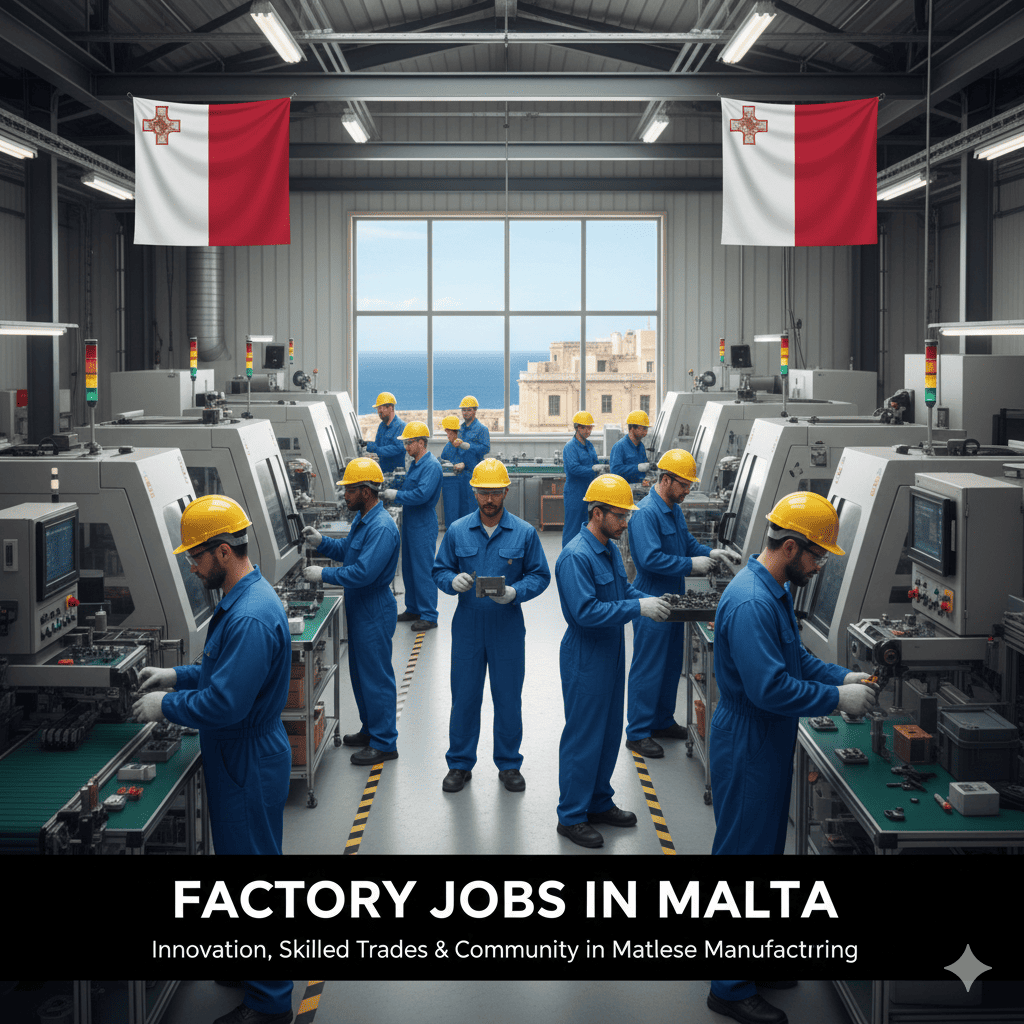
Factory jobs in Malta are a major source of employment for both local residents and foreign workers. Malta’s manufacturing sector plays a vital role in the country’s economy, covering industries such as pharmaceuticals, electronics, food processing, medical devices, plastics, textiles, printing, and light engineering. Due to continuous industrial activity and a limited local workforce, factories in Malta regularly hire foreign workers for skilled, semi-skilled, and unskilled positions.
Factory jobs are especially attractive because they offer stable income, structured working hours, opportunities for overtime, and in some cases long-term residence prospects. For individuals seeking work in Europe without requiring advanced academic qualifications, factory jobs in Malta can be a realistic and practical option.
Why Factory Jobs Are in Demand in Malta
Malta has positioned itself as a manufacturing and industrial hub within the European Union, particularly in high-value sectors like pharmaceuticals, medical devices, and electronics. Many multinational companies operate factories on the island, exporting products globally. As production volumes increase, demand for factory workers continues to rise.
Another key factor driving demand is Malta’s small population and aging workforce. Many local workers prefer office or service-sector jobs, leaving a shortage of labor in physically demanding factory roles. As a result, employers actively recruit foreign workers to fill these gaps.
Industries Offering Factory Jobs in Malta
Factory employment in Malta spans several industries. Understanding these sectors helps job seekers target suitable roles.
Pharmaceutical Manufacturing
The pharmaceutical sector is one of Malta’s largest employers. Factories produce medicines, tablets, capsules, and medical substances for international markets. Jobs include production operators, machine attendants, quality control assistants, packaging workers, and warehouse operatives. These roles often require attention to detail and adherence to strict hygiene and safety standards.
Electronics and Technology Manufacturing
Electronics factories manufacture components such as circuit boards, sensors, and electronic assemblies. Workers may be involved in assembly lines, soldering, testing, inspection, and packaging. Basic technical skills and the ability to follow precise instructions are essential.
Food Processing and Packaging
Food factories process meat, dairy products, beverages, baked goods, and packaged foods. Common roles include production line workers, food handlers, packers, cleaners, and machine operators. Hygiene training and compliance with food safety regulations are critical in this sector.
Plastics and Packaging Manufacturing
Plastic factories produce containers, packaging materials, and industrial components. Workers operate molding machines, perform quality checks, and handle raw materials. These jobs often involve shift work and physical labor.
Textiles, Printing, and Light Manufacturing
Smaller factories focus on textiles, garment production, printing, labeling, and promotional materials. Roles include machine operators, cutters, packers, and finishing staff. These factories often hire both men and women for various positions.
Types of Factory Jobs Available
Factory jobs in Malta range from entry-level positions to skilled technical roles.
Production Line Workers
Production line workers perform repetitive tasks such as assembling, sorting, packing, and inspecting products. These roles usually require minimal experience and provide on-the-job training.
Machine Operators
Machine operators manage industrial equipment used in manufacturing processes. Responsibilities include monitoring machines, adjusting settings, reporting faults, and ensuring smooth production. Some prior experience or technical training may be required.
Quality Control and Inspection Staff
Quality control workers inspect products to ensure they meet company and regulatory standards. Attention to detail, documentation skills, and compliance awareness are essential.
Warehouse and Logistics Staff
Warehouse workers handle raw materials, finished goods, inventory management, loading, and unloading. Forklift operation experience is an advantage for these roles.
Maintenance and Technical Roles
Skilled workers such as technicians, electricians, and maintenance staff ensure factory machinery operates efficiently. These positions require certifications or trade experience and offer higher salaries.
Salary Expectations for Factory Jobs in Malta
Salaries depend on role, experience, industry, and shift patterns. Entry-level factory workers typically earn between €18,000 and €23,000 per year. Hourly wages range from €9 to €12 for basic roles.
Machine operators, quality control staff, and experienced workers earn between €24,000 and €32,000 annually. Skilled technicians and supervisors can earn €35,000 to €45,000 or more, especially in pharmaceutical and electronics factories.
Overtime, night shifts, and weekend work often come with additional pay, which can significantly increase total earnings.
Working Hours and Conditions
Most factories operate on fixed shifts, rotating shifts, or 24-hour production cycles. Common shift patterns include morning, afternoon, and night shifts. Workers may be required to work weekends depending on production needs.
Factories in Malta are generally regulated under EU labor and safety standards. Employers provide safety training, protective equipment, and structured work environments. However, factory work can be physically demanding, involving standing for long periods, lifting, and repetitive movements.
Requirements to Get Factory Jobs in Malta
Education and Experience
Most entry-level factory jobs do not require higher education. Basic schooling is usually sufficient. Experience in manufacturing, warehouse work, or machine operation improves job prospects but is not always mandatory.
Physical Fitness
Factory work often involves physical tasks. Employers expect workers to be fit, reliable, and able to handle repetitive duties.
Language Skills
Basic English is generally required to understand instructions, safety guidelines, and workplace communication. Knowledge of Maltese is helpful but not compulsory.
Work Permits for Foreign Workers
EU/EEA citizens can work in Malta without a permit. Non-EU/EEA citizens require a work permit, which is usually arranged by the employer after a job offer is issued. Work permits are tied to a specific employer and role.
How to Find Factory Jobs in Malta
Factory jobs are commonly advertised through online job portals, recruitment agencies, and company career pages. Many employers rely on agencies to recruit foreign workers, especially for large-scale manufacturing roles.
Applicants should prepare a simple, clear CV highlighting previous factory or manual work experience, availability for shift work, and willingness to perform physical tasks. Including references can strengthen applications.
Application and Hiring Process
The hiring process typically involves submitting a CV, attending an interview, and sometimes completing a basic skills or fitness assessment. For foreign workers, once selected, the employer initiates the work permit process.
Processing times for work permits vary, and applicants should ensure all documents are accurate and complete to avoid delays.
Accommodation and Living Costs
Some factories or recruitment agencies assist with accommodation, especially for foreign workers. Others may help workers find shared housing. Living costs in Malta can be high, particularly in popular urban areas, so budgeting is important.
Career Growth and Long-Term Opportunities
Factory jobs can lead to long-term employment and career progression. Reliable workers may be promoted to team leader, supervisor, or technician roles. Gaining experience in regulated industries like pharmaceuticals can open doors to higher-paying positions.
Foreign workers who maintain continuous legal employment may become eligible for long-term residence, making factory jobs a potential pathway to staying in Malta.
Important Tips for Job Seekers
Always verify employers and recruitment agencies to avoid scams. Be realistic about the physical nature of factory work and shift schedules. Demonstrating punctuality, discipline, and willingness to learn greatly improves job security and promotion prospects.
Factory jobs in Malta offer stable income, structured work environments, and opportunities for growth. For individuals seeking employment in Europe with practical skills and strong work ethic, factory work in Malta can be a reliable and rewarding option.