Complete Guide to Labour Jobs in Luxembourg (2025–2026)
Labour jobs in Luxembourg are steady, accessible employment options across industries such as construction, manufacturing, warehousing, agriculture, retail logistics, hospitality support, and general maintenance. These roles typically require physical work, practical skills, and reliability rather than formal academic qualifications. For many people — including students, newcomers, and foreign workers — labour jobs serve as entry points to the local job market, offering stable income and opportunities for longer-term career development.
Luxembourg’s strong economy, high standard of living, and dynamic workforce needs keep demand for labour roles consistent. Whether you’re looking for full-time work, seasonal employment, or part-time shifts, there are a variety of labour job types that match different skill levels and preferences.
Why Labour Jobs Are in Demand in Luxembourg
Multiple factors contribute to ongoing demand for labour jobs in Luxembourg:
- Infrastructure and construction growth: Ongoing building and renovation projects require reliable crews.
- Manufacturing and industrial activity: Factories and production plants need general labourers for packaging, assembly lines, and material handling.
- Warehouse and logistics expansion: Growth in e-commerce and local distribution creates steady openings in warehousing.
- Seasonal and agricultural demand: Harvests, greenhouse work, and maintenance tasks require hands-on support.
- Service and hospitality peaks: Extra helping hands are needed during high tourism seasons.
Across sectors, employers look for workers who are punctual, cooperative, and physically capable. Because labour jobs often involve team work and repetitive tasks, problem-solving skills and a strong work ethic are valuable.
Types of Labour Jobs in Luxembourg
“Labour jobs” is an umbrella term encompassing a wide range of practical work. Below are the major categories:
Construction Labour Jobs
Construction labourers assist in building infrastructure, residential homes, commercial complexes, and civil projects. Common tasks include:
- Clearing and preparing job sites
- Loading and unloading materials
- Mixing and pouring concrete
- Assisting skilled tradespeople (carpenters, electricians, plumbers)
- Cleaning and safety maintenance
Construction work often involves outdoor conditions and may require basic safety training.
Manufacturing and Production Labour Jobs
Manufacturing labourers work in factories and production plants, supporting production lines, packing, sorting, and quality checks. Typical duties include:
- Operating or assisting machine lines
- Packing finished goods
- Inspecting products for defects
- Handling material movement within the facility
These roles may be seasonal or permanent depending on demand cycles and production schedules.
Warehouse and Logistics Labour Jobs
Warehousing jobs support the storage, sorting, and distribution of goods. Responsibilities may include:
- Receiving and unloading deliveries
- Palletizing and labeling goods
- Scanning and inventory duties
- Preparing orders for shipment
Some employers require forklift or equipment certification, but many general roles provide on-the-job training.
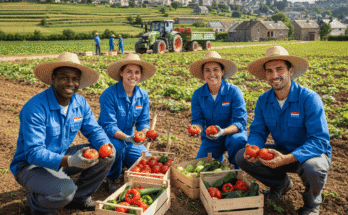
Agricultural and Farm Labour Jobs
Farm and horticulture labourers support planting, harvesting, irrigation, packing, and greenhouse care. Tasks include:
- Hand harvesting crops
- Weeding and watering plants
- Preparing soil and beds
- Sorting and packing produce
Agricultural roles peak seasonally but may offer year-round greenhouse work.
Cleaning and Maintenance Labour Jobs
These jobs support facility upkeep in commercial, residential, and public spaces. Duties vary but often include:
- Cleaning floors, windows, and common areas
- Maintaining outdoor spaces like parking lots or grounds
- Minor repairs and routine checks
Reliable cleaners and maintenance labourers are sought after in offices, hotels, schools, and retailers.
Salary Expectations for Labour Jobs in Luxembourg
Wages for labour jobs vary by industry, experience, and employer. Luxembourg’s high standard of living means base pay is generally above those in many neighboring countries.
Entry-Level Labour Roles
General labour positions typically pay between €24,000 and €30,000 per year. Hourly rates range from approximately €12 to €15.
Experienced Labour and Specialized Roles
Workers with specific skills (forklift operation, construction experience, warehouse equipment handling) can earn €30,000 to €38,000 annually. Seasonal peaks and overtime opportunities also increase earning potential.
Supervisory or Lead Labour Positions
Labourers who advance into lead or supervisory roles — overseeing teams, coordinating tasks, managing inventory — can earn €40,000 or more.
Additional benefits can include transport allowances, shift premiums, overtime pay, bonuses, and statutory paid leave.
Requirements for Labour Jobs in Luxembourg
Most labour jobs have minimal formal barriers, but employers focus on several key attributes and legal requirements.
Basic Eligibility and Documentation
- Valid ID or passport
- Work authorization (for non-EU/EEA workers — permit required)
- Proof of residence (for long-term employment)
EU/EEA citizens have the right to work in Luxembourg without a permit. Non-EU/EEA workers need a work permit, usually sponsored by an employer.
Physical Fitness and Work Readiness
Labour jobs are physically demanding. Candidates should be capable of standing, lifting moderate loads, and working in varying weather or indoor conditions. Employers often assess physical readiness during the hiring process.
Language Skills
Basic English is generally sufficient in many labour roles, though knowledge of French, German, or Luxembourgish is advantageous — especially in team or supervisory settings.
Prior Experience (Advantageous)
No prior experience is required for many entry-level labour jobs. However, previous experience in construction sites, warehouses, farms, cleaning services, or equipment operation increases your chances of being selected and earning a higher wage.
Work Permits and Immigration for Non-EU/EEA Workers
Non-EU/EEA citizens must obtain a work permit to work legally in Luxembourg.
Work Permit Types
For labour jobs, the most relevant permit category is typically a standard work permit sponsored by the employer. The process includes:
- A confirmed job offer
- Employer initiation of the permit application
- Submission of personal documentation (passport, CV, any certificates)
- Approval from immigration authorities
Work permits are usually tied to a specific job and employer. Changing roles may require a new permit unless you qualify for an open or long-term resident permit.
How to Find Labour Jobs in Luxembourg
Labour jobs are widely advertised across online portals, recruitment agencies, and direct employer ads. Combining multiple search strategies increases your chances of early placement.
Online Job Portals
- Jobs.lu
- Indeed Luxembourg
- Monster.lu
- LinkedIn Jobs
Use search terms like “labourer,” “factory labour,” “construction helper,” “warehouse operative,” and “general worker.” Filter by location, contract type, and shift preferences.
Recruitment Agencies
Agencies that specialize in manual and industrial staffing often place workers quickly. Register with agencies, submit your CV, and indicate your availability.
Walk-Ins and Direct Outreach
You can visit factories, warehouses, farms, and construction sites with a CV to inquire about openings. Many employers hire directly for immediate start positions.
Networking
Word-of-mouth is powerful in labour markets. Connections with current workers, community groups, or social platforms often reveal opportunities not listed online.
Application and Hiring Process
Applying for labour jobs typically involves the following steps:
- Submit a simple CV that highlights availability and physical readiness
- Provide contact information and any relevant certificates (forklift, first aid, etc.)
- Attend a basic interview (often informal)
- Complete any necessary paperwork (contract, social insurance, tax forms)
Some employers also conduct basic safety briefings or practical assessments to ensure you can handle the job’s physical requirements.
Working Conditions and Shifts
Labour jobs can involve a variety of working conditions:
- Indoor or outdoor sites
- Day, evening, or night shifts
- Full-time and part-time schedules
- Rotating or weekend shifts
Conditions depend on the role — warehousing may involve climate-controlled environments, while construction or agriculture work can require exposure to weather conditions.
Health and Safety Standards
Luxembourg maintains strict health and safety regulations. Employers must:
- Provide protective equipment (helmets, vests, gloves)
- Conduct safety training
- Ensure compliance with EU workplace safety directives
Workers should follow all safety guidelines and report hazards promptly.
Career Growth and Opportunities
Labour jobs can lead to more senior roles and even vocational careers:
Team Leader or Supervisor
Workers who show reliability, leadership, and technical ability may advance to supervisory roles overseeing a small crew or shift team.
Specialized Technical Roles
With relevant training, labourers can move into:
- Forklift operator
- Machine technician
- Quality control assistant
- Logistics coordinator
Such advancements often come with higher pay and job security.
Important Tips for Job Seekers
- Avoid recruitment fees: Legitimate employers do not charge job seekers to place them in roles.
- Be flexible: Willingness to work different shifts increases employment chances.
- Stay fit and ready: Physical fitness is essential for many labour jobs.
- Document readiness: Keep ID, CV, photos, and any certifications ready for quick applications.
- Communicate professionally: Punctuality and reliability are often the most valued traits.
Labour jobs in Luxembourg provide a stable gateway into the workforce, offering practical experience, income, and long-term potential. With persistence and readiness to work, individuals can secure meaningful employment and build career growth in one of Europe’s most prosperous countries.