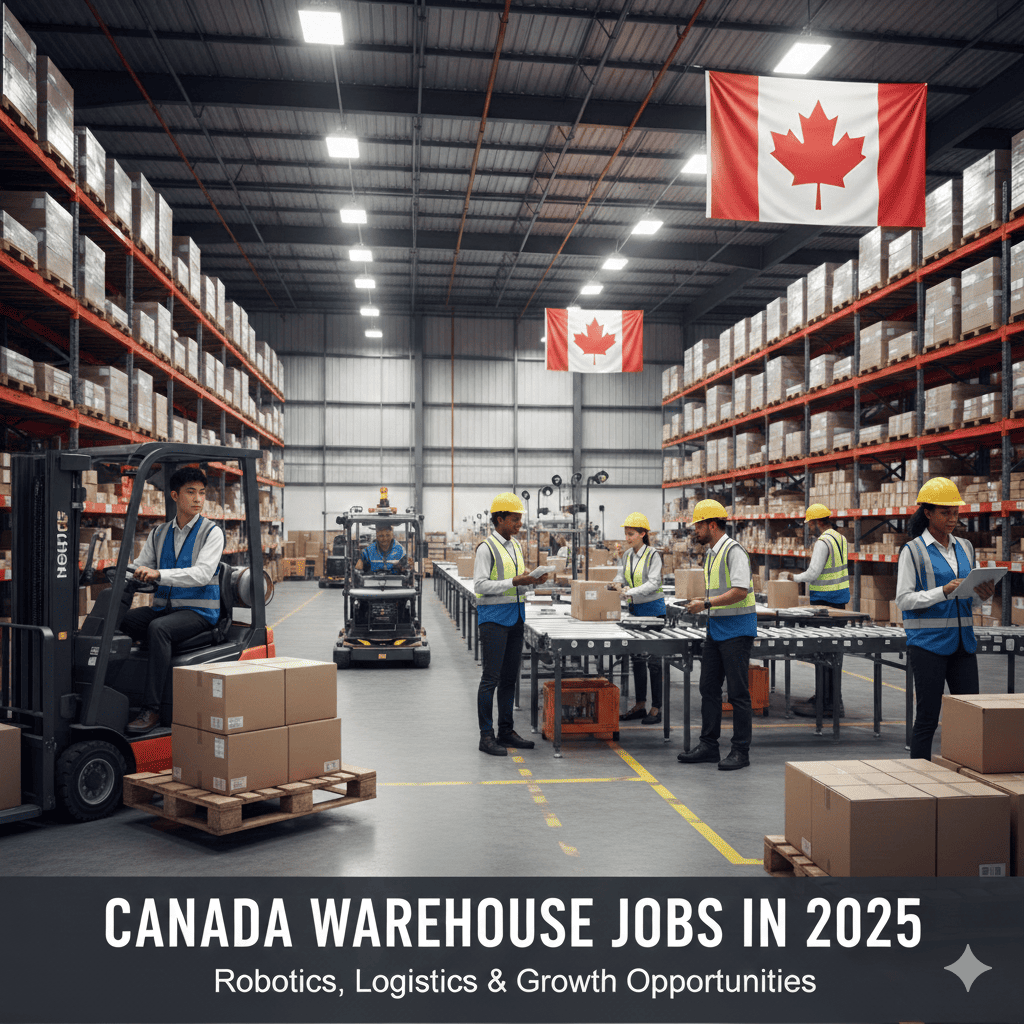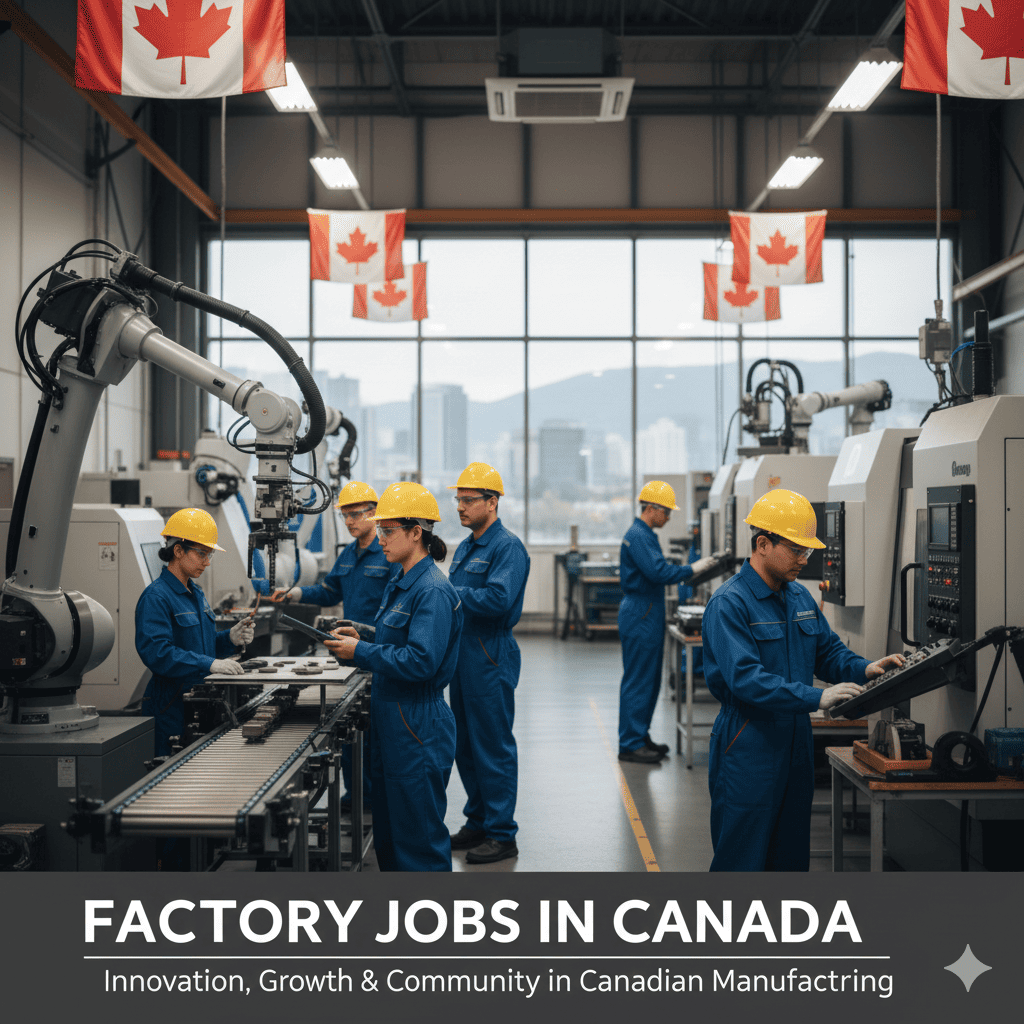
Complete Guide to Factory Jobs in Canada (2025–2026)
Factory jobs in Canada are a major source of employment across manufacturing, food processing, automotive, electronics, packaging, textiles, and industrial production sectors. Canada has a strong manufacturing base, and factories operate year-round to meet domestic and international demand. Due to labour shortages, aging workers, and expanding production needs, factories across the country consistently hire new workers. For local residents, newcomers, and foreign workers, factory jobs offer stable income, overtime opportunities, and a clear entry point into the Canadian workforce without requiring advanced education.
Factory work in Canada is suitable for individuals who are physically capable, reliable, and willing to work shifts. Many employers provide on-the-job training, making these roles accessible even to those with limited prior experience. While some factory positions are temporary or seasonal, many lead to permanent employment with benefits and career advancement.
Why Factory Jobs Are in High Demand in Canada
Canada’s manufacturing sector supports industries such as food and beverage processing, automotive production, pharmaceuticals, construction materials, consumer goods, and industrial equipment. Population growth, exports, and the rise of private-label manufacturing have increased production demands. At the same time, many factory roles involve repetitive or physically demanding work, leading to high turnover. This combination of growth and turnover creates continuous demand for factory workers.
Another key factor is geography. Manufacturing facilities are spread across provinces, including Ontario, Quebec, Alberta, British Columbia, and Manitoba. Many factories are located in industrial zones or smaller towns where labour supply is limited, increasing reliance on newcomers and foreign workers.
Types of Factory Jobs in Canada
Factory jobs vary widely depending on the type of production, level of automation, and skill requirements. Understanding these roles helps job seekers choose positions that match their abilities and long-term goals.
General Factory Worker and Production Line Jobs
General factory workers and production line workers perform tasks such as assembling products, operating basic machinery, packaging goods, labeling items, and monitoring production processes. These roles often require standing for long periods and performing repetitive tasks. They are ideal for entry-level workers and usually require minimal experience.
Machine Operator Jobs
Machine operators run and monitor manufacturing equipment used in production. These roles require technical awareness, attention to detail, and adherence to safety procedures. While employers often provide training, prior experience with machinery can be an advantage. Machine operators typically earn higher wages than general laborers.
Food Processing Factory Jobs
Food processing factories produce packaged foods, beverages, meat, dairy, and frozen products. Jobs may involve sorting, cutting, packaging, quality checking, and operating food-grade machinery. These roles require strict hygiene standards and may involve cold environments or fast-paced production lines.
Quality Control and Inspection Jobs
Quality control workers inspect products for defects, measure specifications, and ensure compliance with safety and production standards. These roles require attention to detail and may involve record-keeping and reporting. Quality control positions are critical to maintaining product standards and customer trust.
Maintenance and Technical Support Jobs
Maintenance workers and technicians handle equipment repairs, routine maintenance, and troubleshooting. These roles require technical training, certifications, or trade experience. While not entry-level, they offer higher pay and long-term stability.
Salary Expectations for Factory Jobs in Canada
Factory job salaries in Canada depend on role, experience, location, and industry. Entry-level factory workers typically earn between CAD $30,000 and $40,000 per year. Hourly wages usually range from CAD $15 to $22 per hour. Machine operators and skilled roles can earn between CAD $45,000 and $60,000 annually.
Supervisory and technical roles may pay CAD $65,000 or more per year. Many factories offer overtime pay, shift premiums for night or weekend work, and performance bonuses. Full-time workers often receive benefits such as health insurance, paid leave, and pension contributions.
Basic Requirements for Factory Jobs in Canada
Factory jobs are generally accessible, but employers expect workers to meet certain basic standards.
Education and Experience
Most factory jobs require a high school diploma or equivalent, though this is not always mandatory. Prior factory or manufacturing experience is helpful but not required for entry-level roles. Employers typically provide training for new hires.
Physical Ability and Safety Awareness
Factory work can be physically demanding and may involve lifting, repetitive motion, and long periods of standing. Workers must follow safety procedures strictly, as factories involve machinery, tools, and hazardous materials. Employers provide safety training and protective equipment.
Language Skills
Basic English or French skills are required to understand instructions, safety signs, and workplace communication. In some provinces, bilingual ability can be an advantage.
Training and Certifications
While many factory jobs provide on-the-job training, certifications can improve job prospects and wages. Training in workplace safety, equipment operation, and quality control is valuable. For technical roles, trade certificates or apprenticeships may be required.
Some employers support ongoing training and skills development, allowing workers to advance into higher-paying positions.
Immigration and Work Permit Options for Factory Workers
Foreign workers must have legal authorization to work in Canada. Factory jobs are often filled through employer-supported work permits under the Temporary Foreign Worker Program when local labour is insufficient. These roles are common in food processing and manufacturing plants.
Canadian factory work experience can support permanent residency applications through provincial nomination programs or other immigration pathways. Some provinces specifically include manufacturing and production occupations in their in-demand lists.
How to Find Factory Jobs in Canada
Factory jobs are advertised through online job boards, staffing agencies, and company websites. Temporary agencies play a major role in factory hiring and often provide quick placement. Local employment centers and community organizations also help connect job seekers with manufacturing employers.
Job seekers should prepare a simple resume highlighting reliability, physical ability, and any relevant experience or certifications. Flexibility in shift availability improves hiring chances.
Working Conditions and Lifestyle
Factory work typically involves shift schedules, including early mornings, evenings, nights, and weekends. While the work can be physically tiring, it offers steady pay and predictable routines. Many workers value factory jobs for their stability and opportunities for overtime.
Canadian labour laws require employers to maintain safe working conditions, and workers have the right to refuse unsafe work. Health and safety standards are enforced to protect employees.
Career Growth and Long-Term Opportunities
Factory jobs can lead to long-term careers. With experience and training, workers can move into machine operation, quality control, supervision, maintenance, or production management roles. Some transition into skilled trades or technical positions within manufacturing.
Employers often promote reliable workers who demonstrate strong work ethic and leadership potential. Continuous learning and skill development are key to advancement.
Important Advice for Job Seekers
Job seekers should be cautious of fraudulent job offers, especially those targeting foreign workers. Legitimate employers do not charge fees for employment or work permits. Always verify job offers and follow official immigration procedures.
Factory jobs in Canada provide a realistic path to employment, income stability, and career progression. For individuals willing to work hard and adapt to shift work, factory employment remains one of the most accessible and dependable job options in the Canadian labour market.